How Disney Can Responsibly Teach Future Generations
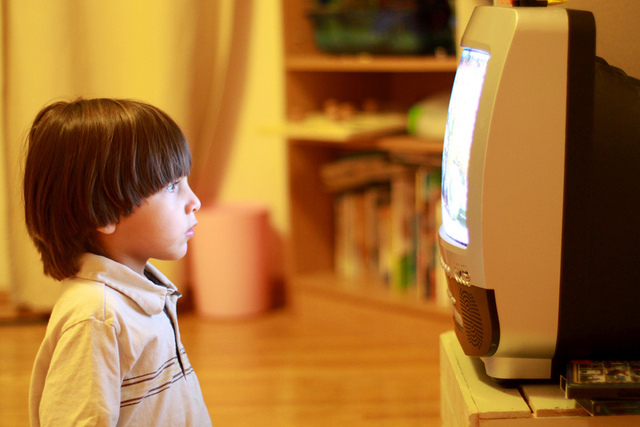
There is no debating that young children learn from the content they consume. For me, watching "SpongeBob SquarePants" was the way that I learned a lot of English words, and I found myself reciting these words in random situations, without even knowing their meaning. It is no coincidence that 9-year-olds across the country were uncontrollably performing Fortnite dances after the game became wildly popular on YouTube.
Above all media outlets, however, Disney reigns superior in terms of outreach and influence on society. From huge collections of animated movies to cult-like theme parks, it seems as if Disney occupies mental real estate in the minds of almost every person in the world. Given its ubiquity, and that its content targets young children, I think it is fair to say that Disney is shaping young minds in the digital era.
We've already seen that in older Disney movies, such as "Snow White" and "The Little Mermaid", the plotlines follow a similar structure of finding "true love" (specifically, true love's kiss), and "love at first sight". Furthermore, these plots revolve around heterosexual love between a white man and a white woman, where the woman is playing a sort of damsel in distress. These plotlines have ruled childrens' movies for a long time, and consequentially have narrowed the perspectives of happiness that children are exposed to.
Only recently have we seen Disney bring variety into their plots. Mulan, although ultimately motivated by another man's love, was shown to be a strong, self-sustaining character that fought for something bigger than herself. In "Frozen", we see that happiness at the end is a hybrid of Anna finding love with Kristoff and Anna healing her relationship with her sister, Elsa. Disney is now increasingly switching up the ethnicities of characters, which is a step in the right direction. There is still a lot of progress to be made, however: Disney has not yet introduced an LGBTQ+ main character, nor have they really acknowledged its existence on a meaningful level. Additionally, I would like to see more plotlines that follow stories of friendship or familial relationships, rather than romance. When dealing with the minds of children, the name of the game is to teach all forms of happiness, and let them choose their own way.

You point out, Edison, that Disney "reigns supreme in terms of outreach and influence." Do you think this means they should be held to a higher standard than other media companies? That is, does Disney's messaging matter more than, say, Nickelodeon's because it has a much wider range of influence?
ReplyDeleteHi Edison! I agree with your point that Disney has a lot of work to do in terms of LGBTQ+ representation in films. Growing up, I wish I had seen LGBTQ+ representation in the movies— seeing someone like you in films is a heartening feeling, and it also helps normalize and de-stigmatize your identity as well. My question is, where do you think we can go from here? Disney may release a film with a LGBTQ+ character, but how do we make it so that their existence is authentic and enjoyable?
ReplyDeleteI think the most important thing when introducing an LGBTQ+ character is to integrate them as a completely normal character. That is, include them in a way that recognizes that they may be different, but not make a huge deal out of their difference.
Delete